How clients choose a consultant
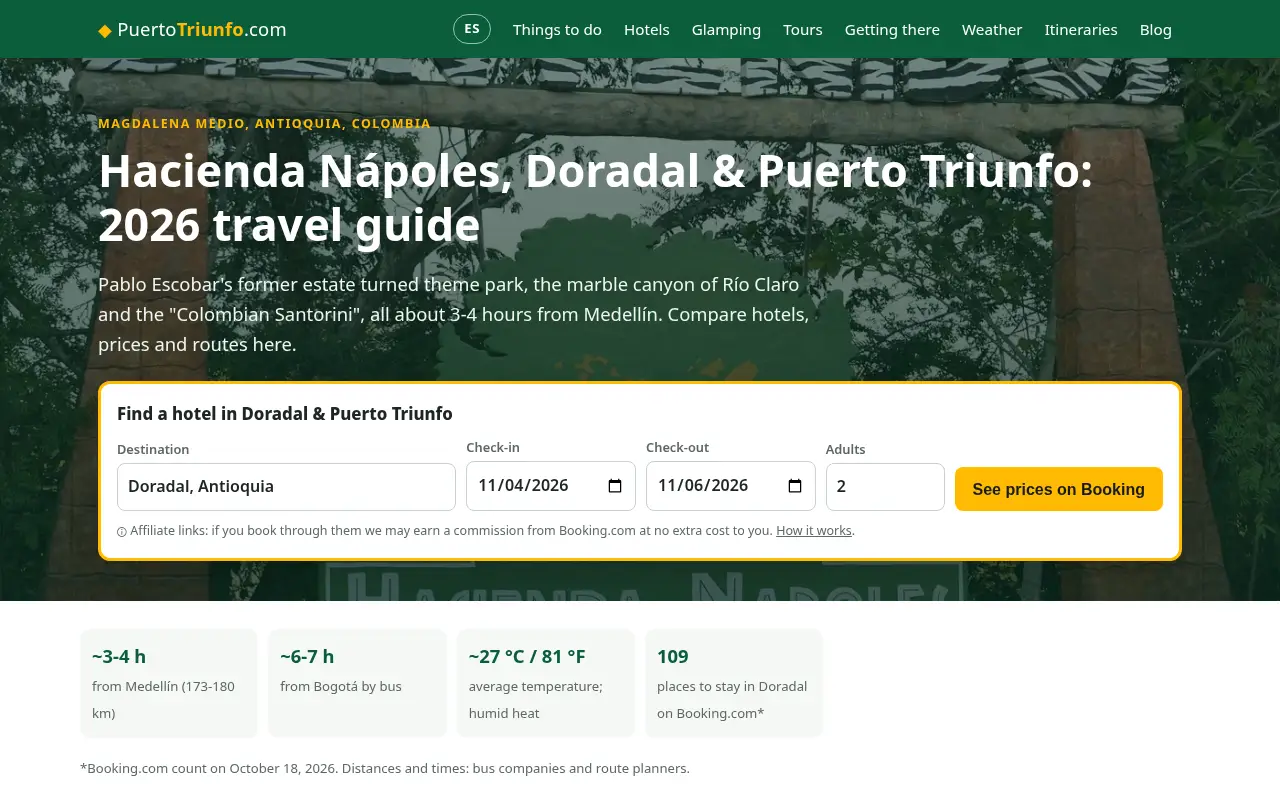
Most consulting work comes from referrals and relationships. Someone hears your name from a colleague, then looks you up. In those few minutes on your website, they're asking: does this person understand my kind of problem, have they solved it before, and are they the right size for us?
A consulting website doesn't need to generate leads from nothing. It needs to turn a referral into a call, and it needs to help the person who referred you explain what you do.
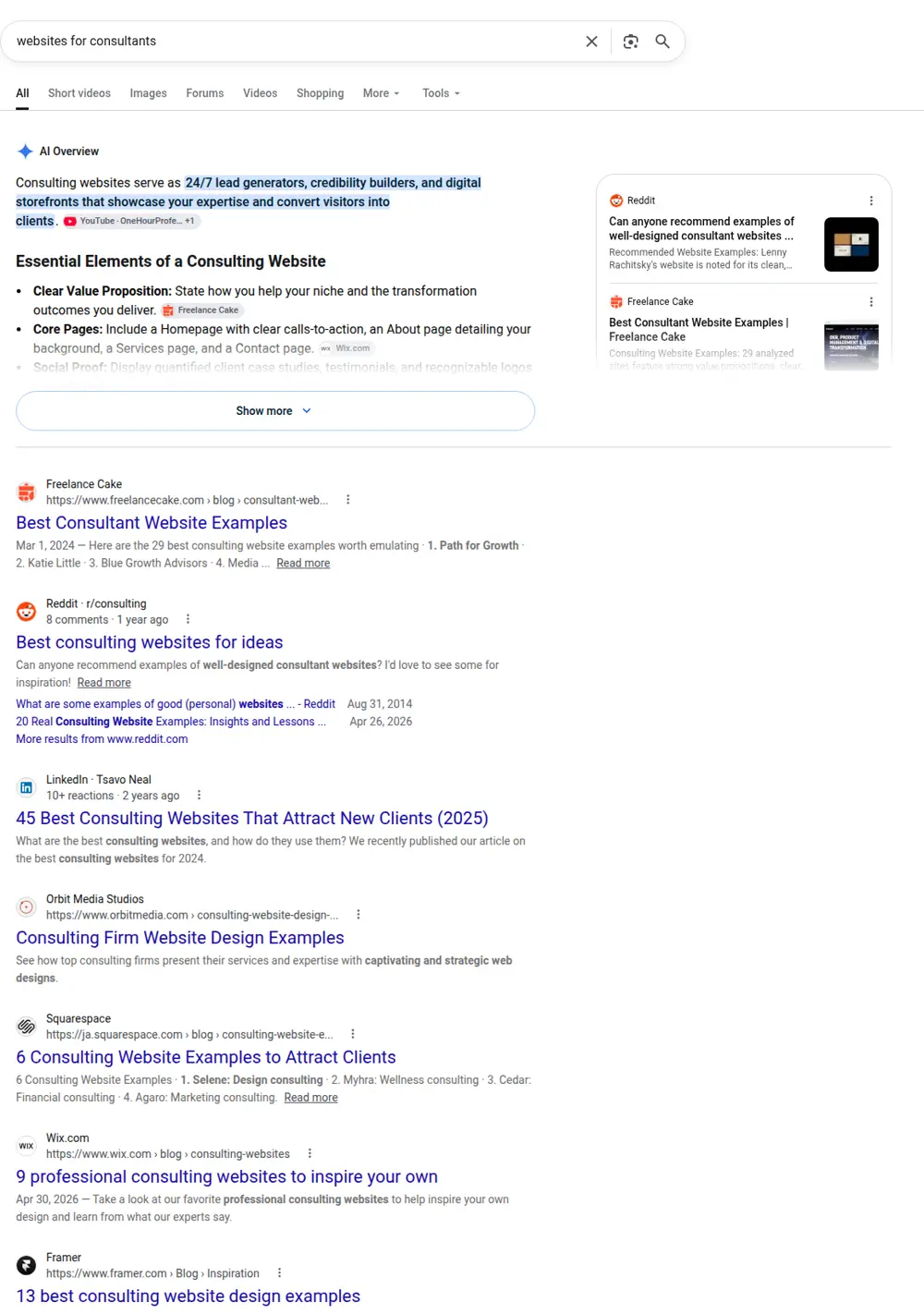
| What people type into Google | US searches per month |
|---|---|
| websites for consultants | 720 |
| consulting website design | 110 |
| consulting website template | 140 |
"Consulting website" and "websites for consultants" get about 720 searches a month each, and "consulting services website" about 720 too, per DataForSEO. More specific searches include "consulting website template" and "website consulting business", about 140 each, and "consulting website design" about 110. "Consulting website examples" also gets about 140, which shows how many consultants look at others before building their own.
What makes a consulting website work
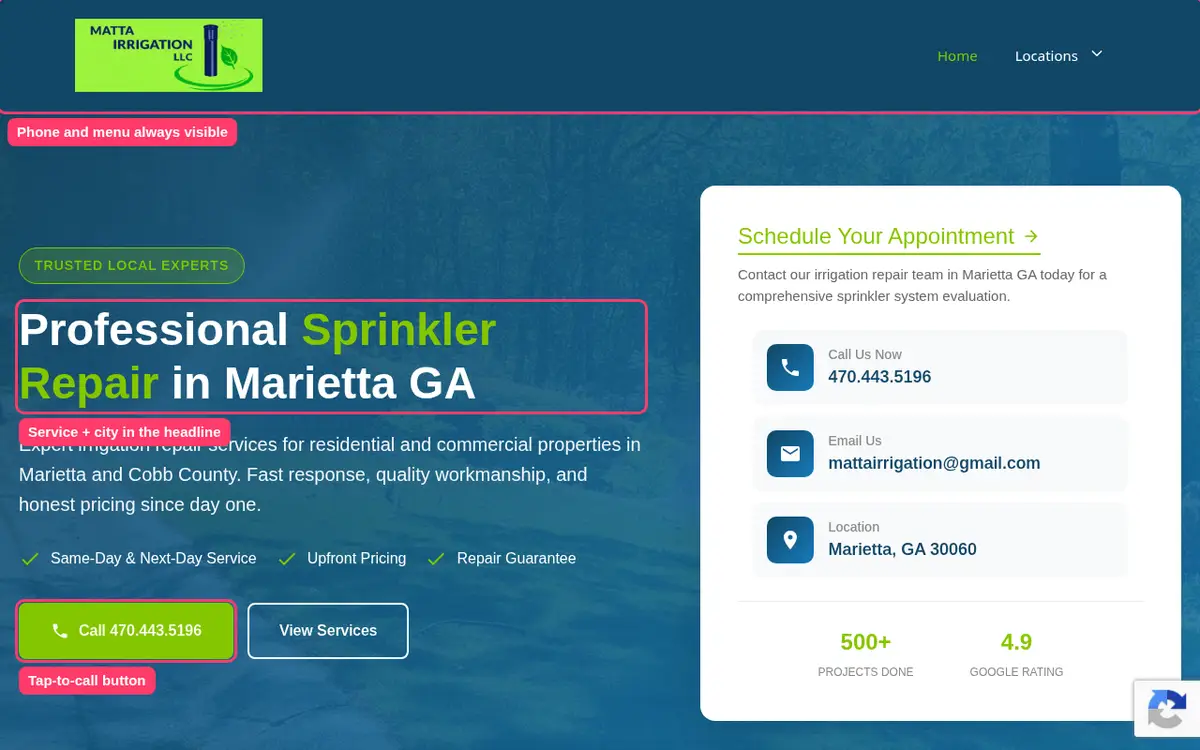
A clear positioning statement
"We help companies grow" says nothing. "We help mid-sized manufacturers cut lead times without new equipment" tells the right buyer they've found someone who understands them. We start every consulting site by writing this sentence with you. It goes at the top of the home page and shapes every other page.
Services described as outcomes
Clients buy outcomes, not hours. Each service page should explain the problem it solves, who it's for, how you approach it, what the client gets at the end and how long it typically takes. If you offer fixed-scope packages, like an assessment or a workshop, describe them in detail. They're easier to buy than open-ended engagements.
Case studies
The most persuasive part of any consulting website. A good case study follows a simple structure:
- The client (named, or described if confidential)
- The situation and the problem
- What you did
- The result, with numbers where you can share them
- A quote from the client
Three solid case studies beat twenty one-line logos.
Industries or expertise pages
If you specialize in a few industries, give each one a page. A healthcare operations consultant and a retail operations consultant may use the same methods, but clients want to see their own world reflected. These pages also help you appear in searches that include the industry.
About and team
Who you are, your background and why clients trust you. For a solo consultant, this is a big part of the decision. For a consulting firm, show the partners and key people with real photos and short bios.
Insights
Articles, frameworks or short reports that show how you think. You don't need a lot. A few strong pieces on the problems you solve give prospects something to share internally and give you something to send after a first call.
Contact
A short form or a booking link for an introductory call, plus a direct email. Some buyers prefer to send a brief, so a form asking about the challenge, timeline and budget range helps you prepare.
Solo consultants vs consulting firms
Solo consultants sell themselves. The website should feel personal: your photo, your voice, your story and your network. A clear "work with me" page with your main offers and a booking calendar works well.
Consulting firms sell a team and a method. The website needs to show depth: multiple case studies, team members, industries and a clear explanation of how engagements run. Buyers at larger companies often need to share the site with colleagues, so downloadable capability statements help.
Consulting website examples: what the strong ones share
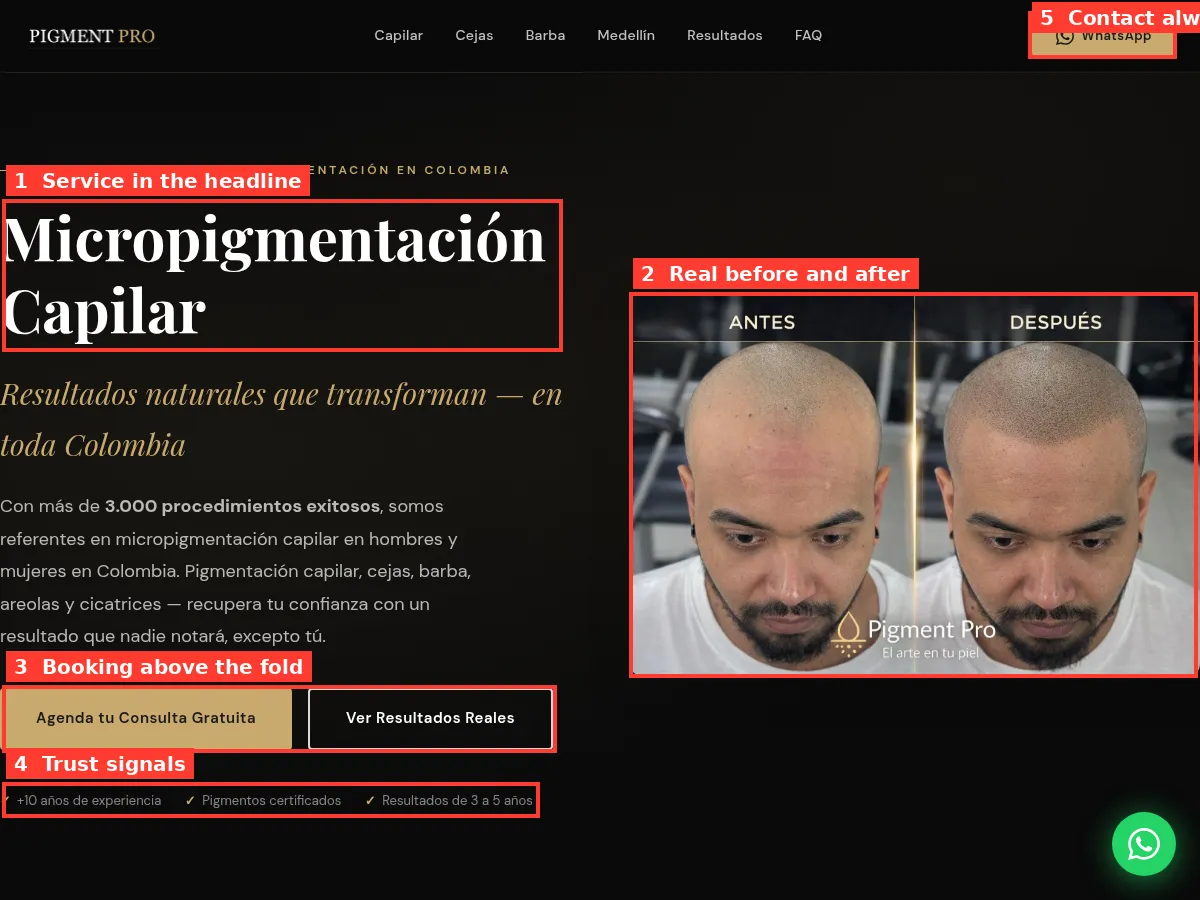
When we review consulting website examples that clients respond to, the same traits come up. The headline names a specific audience and outcome. The services are few and clear. Case studies have real numbers. There are photos of real people. And there is one obvious next step, usually a call. The best consulting websites are also short. Busy executives read the home page and one or two other pages, then decide.
Consulting website templates
A consulting website template gets you a professional look quickly, and for a new solo consultant that's often enough to start. The risk is sameness. Many templates use the same stock photos of glass offices and the same "strategy, execution, results" sections. Replace those with your positioning, your case studies and your own photos, and the template becomes much more useful.
Different kinds of consultants
Management and strategy consultants focus on case studies, industries and thought leadership.
IT and technology consultants need clear service pages, certifications and partner badges, plus support details for existing clients.
Marketing consultants should show their own results, because prospects judge them by their own website.
HR, finance and operations consultants often sell to small and mid-sized businesses, so clear packages and prices matter more.
Engineering consultants have their own needs, covered on our page on engineering website design.
Accounting and tax advisors are covered on our page about web design for accounting firms.
Pricing on a consulting website
Many consultants don't publish prices, and for custom work that's reasonable. But some pricing information helps buyers decide whether to call:
- Starting prices for fixed packages like audits or workshops
- Typical engagement ranges
- Whether you work on retainer, project or day rates
- Minimum engagement size, if you have one
This filters out bad-fit inquiries and makes the first call more productive.
Writing case studies when work is confidential
Many consultants can't name clients or share numbers. You can still write convincing case studies:
- Describe the client by industry, size and region: "a regional logistics company with 400 employees".
- Use relative results: "cut onboarding time by about a third" instead of exact figures.
- Focus on the approach. How you diagnosed the problem and what you changed is often what prospects want to understand.
- Ask for an anonymous quote. Many clients agree to a quote attributed to a role, like "COO, logistics company".
- Get approval. Send the draft to the client before publishing, even when it's anonymous.
Three anonymous case studies written this way are far more persuasive than a page of generic service descriptions.
Packaging your services
Open-ended consulting is hard to buy from a website. Buyers don't know what they'll get or what it will cost. Packaged offers make the first step easier:
- Diagnostic or assessment. A fixed-scope review with a report and recommendations. A natural entry point.
- Workshop. A half-day or full-day session on a specific topic for a leadership team.
- Implementation project. A defined project with clear deliverables and a timeline.
- Advisory retainer. Ongoing access for a monthly fee after the main project.
Each package gets its own page with the scope, timeline, deliverables and a starting price or price range. Many clients start with the assessment and continue from there.
Speaking and workshops
Speaking at conferences and industry events is one of the best ways for consultants to find clients. A speaking page with your topics, a short video clip, past events and a booking form turns your website into a tool for event organizers. Workshops for companies can live on the same page or on their own.
Lead magnets for consultants
A checklist, benchmark report or short self-assessment works well for consultants, because it shows how you think and starts a conversation. For example, an operations consultant might offer "a 15-question self-check for warehouse efficiency", with a short summary emailed back. The people who download it are often exactly the clients you want, and the answers give you a reason to follow up.
Showing your method
Consulting buyers want to understand how you work before they commit. A short page describing your method, step by step, makes your approach concrete. For example: a two-week discovery phase with interviews and data review, a findings workshop with the leadership team, a 90-day implementation plan and monthly check-ins. Give each step a name and say what the client receives at the end of it. A simple diagram helps. Prospects who understand the process can explain it internally, which shortens the sales cycle.
Proposals and follow-up
After a first call, many consultants send a proposal. Your website can support that step. A page you can link in the proposal, with case studies relevant to that type of project, team bios and testimonials, gives the buyer more confidence and something to forward to colleagues. A short "how we work together" page covering contracts, invoicing, communication and confidentiality answers the questions that often delay a signature.
Building authority over time
The consultants who get the most from their websites publish a little, often. One useful article a month on a problem your clients face, written from your own experience, builds a library that brings in search traffic and gives you material for LinkedIn, newsletters and talks. Articles that answer specific questions, like how to choose between two approaches or what a typical project costs, tend to attract the most qualified visitors.
Common mistakes on consulting websites
- A vague headline that could belong to any firm.
- A long list of services with no detail.
- Logos with no case studies behind them.
- Stock photos instead of the real team.
- No clear next step, or a contact page with only a generic form.
- A blog last updated years ago, linked from the main menu.
Speed and trust signals
Executives often open a consultant's site on a phone between meetings. It should load in a couple of seconds, look clean on a small screen and show trust signals early: a client quote, a recognizable logo or a short credential line under your name. Security matters too. A site on HTTPS with a professional email address on your own domain looks far more credible than a free email account.
Using LinkedIn and your website together
Most consultants are active on LinkedIn, and many prospects will find you there first. Your website should support that: link your profile, use the same photo and positioning and turn your best posts into short articles on the site. When you share an article on LinkedIn, the link brings people to your site, where they can read case studies and book a call.
Real Search Console data
This is from a professional services site we built. It shows traffic growing after launch as service and expertise pages start to rank.
How the project runs
Positioning. We start with a call or short questionnaire to define who you serve and what outcome you deliver.
Content. You send your services, case study notes, bios and photos. We write every page.
Design and build. We design a clean, fast site that reflects your brand and connect your booking tool.
Review and launch. You review a draft and request changes. We launch, connect Search Console and make sure every form reaches you.
Price
The site starts at $299, each extra page costs $15 and the total never goes past $630. A consultant with four services, three case studies, two industry pages and an insights page has ten extra pages, or $449 in total.