How customers find a painter
Most people searching for a painter type the job and the town: "interior painters near me", "exterior house painting [city]", "cabinet painting [city]". They look at a few sites, check reviews and photos, and ask two or three companies for an estimate.
A painting company website needs to show up for those searches and make the estimate request easy.
Searches for "painting company" plus a city name are a few hundred a month in big metros, per DataForSEO. Many more people search for "painters" or the specific job, like "house painters" or "cabinet painting", which is why service pages matter.
| What people type into Google | US searches per month |
|---|---|
| painting company website | 70 |
| painting company website templates | 20 |
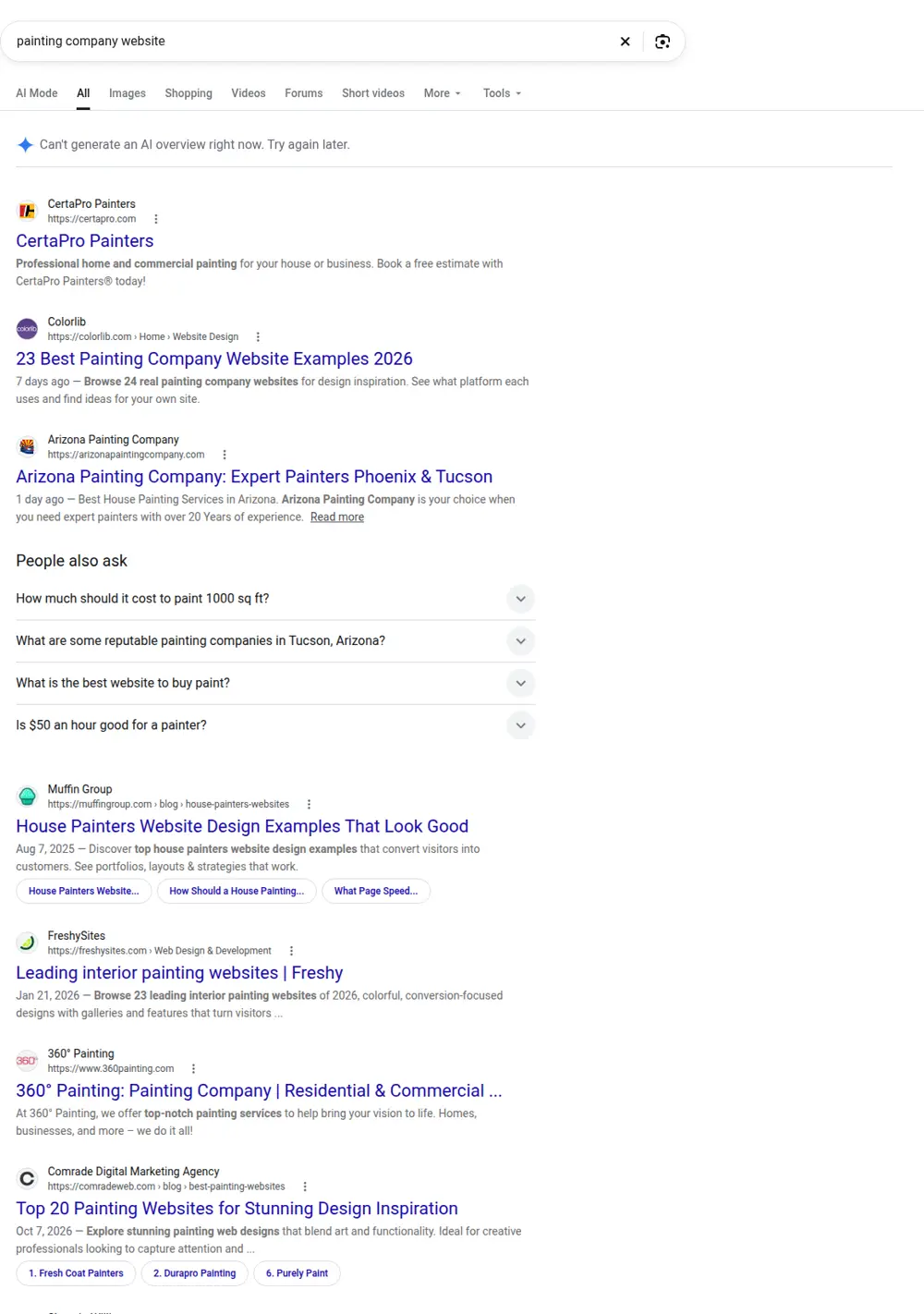
The results for "painting company website" mix big painting brands, template sellers and agencies that work with painters. That shows two things: buyers visit painting company websites directly, and painters are actively looking for better sites.
What makes painting different
Painting is visual and trust-based. Customers let you into their homes for days, and the result is on display for years. They want to see:
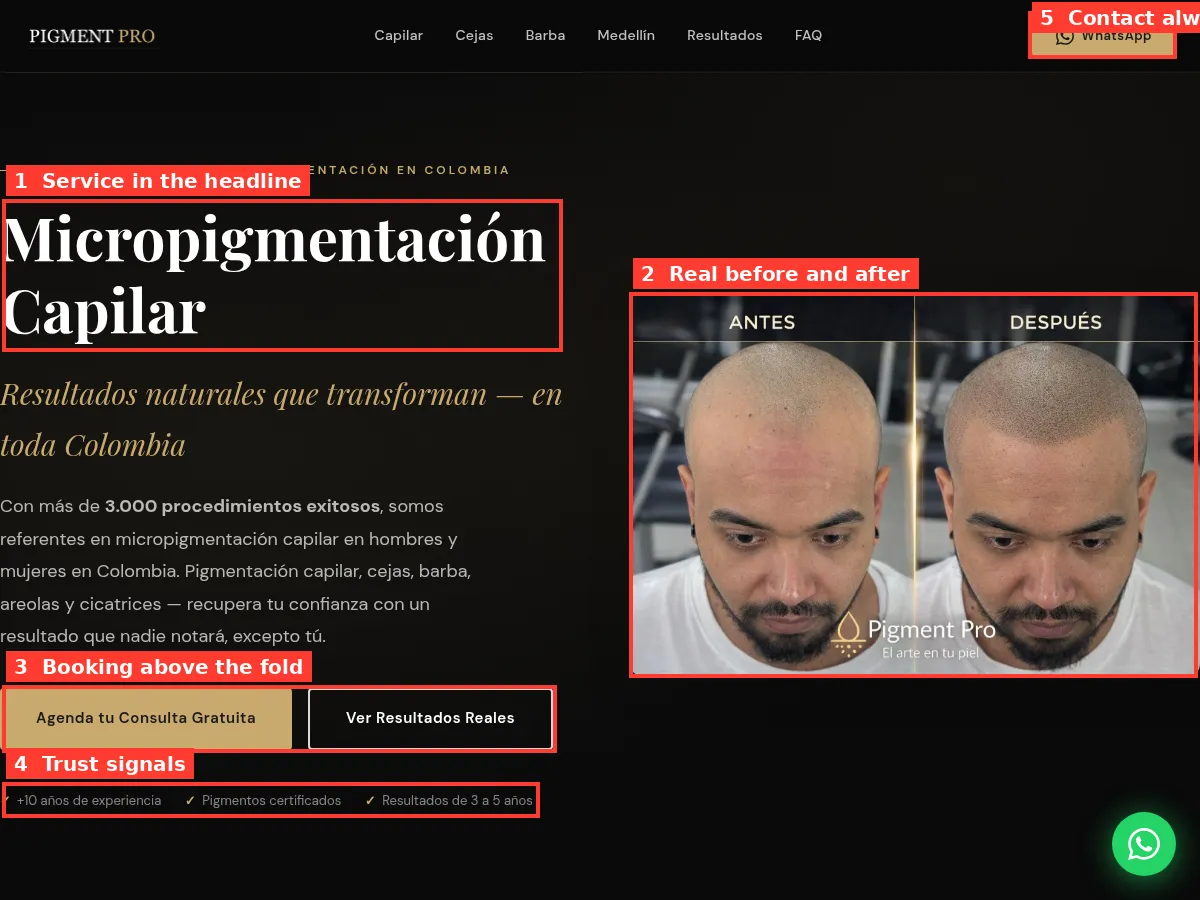
- Your real work. Before-and-after photos beat any description.
- How clean and careful you are. Prep, protection of floors and furniture and daily cleanup.
- What products you use. Many homeowners ask about paint brands and finishes.
- Licensing and insurance. Especially for exterior work on ladders and lifts.
- How estimates work. Free or paid, on-site or by photos, and how fast.
Pages a painting company website needs
Interior painting. Rooms, ceilings, trim, doors and drywall repair. Explain prep, what's included and typical timelines.
Exterior painting. Siding, trim, decks and fences. Mention surface prep, weather and the products you use for your climate.
Cabinet painting and refinishing. A popular, high-value service that deserves its own page with plenty of photos.
Commercial painting. Offices, retail and multi-unit properties, if you do them. Business clients look for different things: scheduling around opening hours, insurance certificates and crew size.
Specialty services. Staining, wallpaper removal, epoxy floors, pressure washing, whatever you offer.
Area pages. For each main town or neighborhood you serve, a page that mentions the area specifically, the housing styles you often work on and nearby projects.
Gallery. Before and after, organized by service.
About. Who you are, how long you've been painting, your crew and your guarantees.
Estimate forms that work
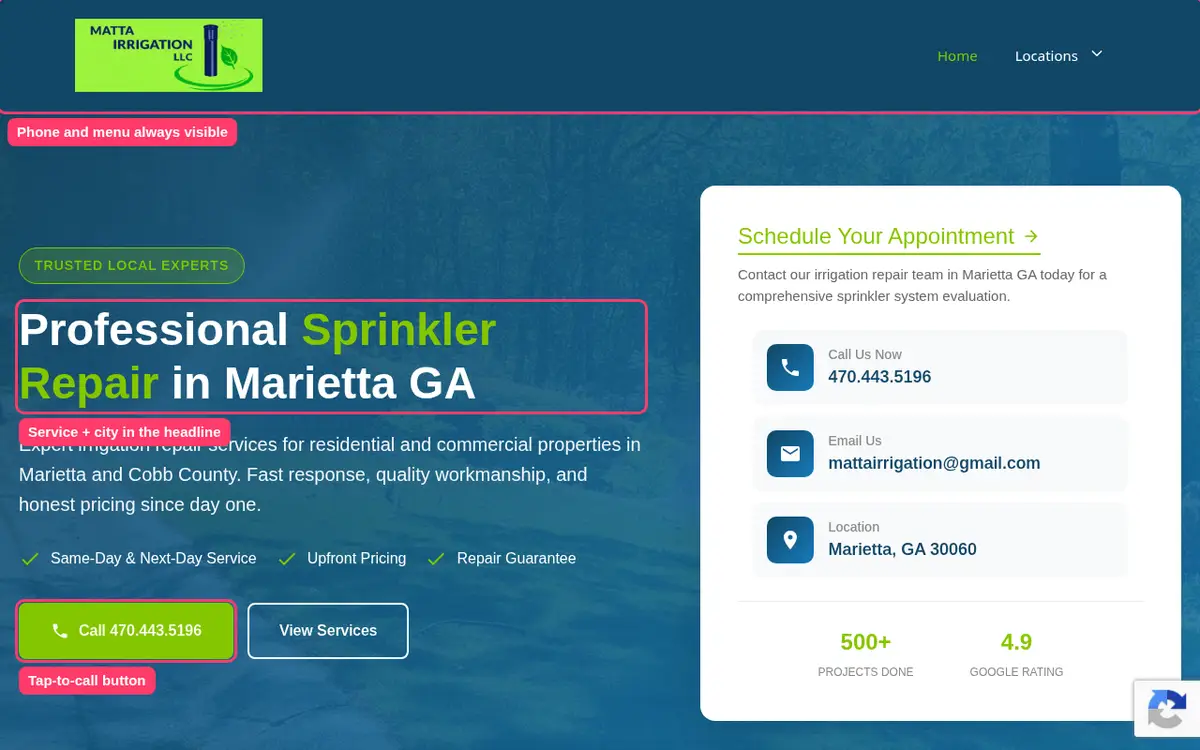
Painting leads come in through the estimate form, so it's worth getting right:
- Keep it short: name, phone, address or zip code, type of job and a free-text field.
- Let people upload photos of the rooms or exterior if they want to.
- Say how fast you reply.
- Put a tap-to-call button next to it for people who'd rather talk.
Interior and exterior seasons
Painting demand moves with the weather. In most of the country, exterior work peaks from spring to early fall, and interior work fills the colder months. Your website can follow that:
- Keep both service pages live all year, so they keep ranking.
- Change the home page headline and featured photos by season.
- Add a note on exterior pages about booking ahead for peak months.
- Promote interior work and cabinet refinishing when exterior slows.
Colors, products and finishes
Homeowners often ask which paint brands you use, which sheen goes where and how long a finish lasts. A page answering those questions in plain language helps people trust you and often ranks for those exact questions. Mention the brands and product lines you actually use, and explain why. If you offer color consultations, describe how they work.
Commercial painting clients
If you paint offices, stores, restaurants or apartment buildings, give commercial work its own section. Business clients care about different things:
- Working nights or weekends to avoid closing.
- Insurance certificates and safety training.
- Crew size and how fast you can finish.
- Experience with property managers and general contractors.
- References from similar commercial jobs.
Property managers in particular hire painters again and again. A page aimed at them, with your turnaround times for vacant units, can bring repeat work.
HOAs and historic districts
In many neighborhoods, exterior colors need HOA or historic commission approval. If you help customers with that process, say so on your exterior page and on area pages for those neighborhoods. It's a real reason to choose you over a painter who leaves the paperwork to the homeowner.
Taking photos that sell
You don't need a professional photographer. A few habits make phone photos much better:
- Take the before photo from the same spot you'll take the after.
- Shoot in daylight, with lights on inside.
- Clean up tools and drop cloths before the after shot.
- Get one wide shot and one close-up showing clean lines and edges.
- Ask the customer before posting photos of their home.
Prep work: the part customers never see
Most of a good paint job happens before the first coat: washing, scraping, sanding, caulking, patching, priming and protecting floors and furniture. Customers comparing estimates often don't realize why one quote is higher than another. A page or section explaining your prep process, with photos, turns that difference into a reason to choose you. It also sets expectations about how long the job takes.
Warranties and guarantees
If you guarantee your work against peeling, blistering or flaking for a set number of years, put it on every service page, not just the about page. Explain what's covered and what isn't, like damage from water leaks or impact. A clear warranty is one of the strongest trust signals a painting company can show, especially on exterior work.
Reviews that mention the details
When you ask customers for reviews, ask them to mention the service and their neighborhood, and what stood out: punctuality, cleanup, color advice. Those details make reviews more convincing for the next customer, and they reinforce the services and areas your pages target.
Cabinet painting deserves its own page
Cabinet painting and refinishing is one of the most searched and best-paid painting services. Homeowners who can't afford a new kitchen see it as a smart upgrade, and they research it carefully. A strong cabinet page explains:
- Whether you spray, brush or roll, and why.
- How you prep: cleaning, degreasing, sanding and priming.
- Whether doors are painted on-site or in a shop.
- How long the kitchen is out of use.
- Which finishes you use and how durable they are.
- What it usually costs compared with replacing cabinets, in ranges.
Add a gallery of before-and-after kitchens. This page alone can bring a steady stream of high-value estimates.
Pricing guidance without a price list
Painting prices depend on size, condition, height, colors and access, so most painters avoid listing prices. You can still help people understand cost:
- Explain what drives the price up or down.
- Give ranges for common jobs, like a single bedroom or a two-story exterior, if you're comfortable.
- Say whether estimates are free and how long they're valid.
- Explain deposits and payment terms.
People who understand how you price are more likely to accept the estimate.
Seasonal pages and offers
Exterior painting is seasonal in most places, while interior work continues all year. Use the website to smooth out the calendar: promote interior work and cabinet painting in winter, and open exterior booking early in spring so the season fills before it starts. A short note like "booking exterior projects for May and June" creates urgency without discounts.
Color help as a lead magnet
Choosing colors is the hardest part for many homeowners. If you offer color consultations, even a short one included with the estimate, say so prominently. A page with photos of real homes you painted, listing the colors used, attracts people early in their research and gives them a reason to call you first.
Commercial painting
If you paint offices, retail spaces or apartment buildings, add a commercial page. Property managers want to know about after-hours work, insurance certificates and how you keep spaces usable during the job.
Showing the crew
Customers let painters into their homes for days at a time. A short page introducing the owner and crew leaders, with photos and a few words about each, makes that easier. Mention background checks or training if you do them, and say who the customer's main contact will be during the job.
Painting company website mistakes
- No photos or only stock images. Customers want to see your work.
- One "Services" page with a bulleted list.
- No service area on the site.
- Estimate forms that ask for too much.
- No license or insurance information.
- Seasonal messages left up all year. "Book your spring exterior now!" in November looks careless.
Painting company website templates
Painting company website templates exist and some look good. If you use one, replace the sample photos with your own work, write a page for each service and area and add your license and insurance details. A template on its own looks like every other painter in town.
Real Search Console data
This is from a home service business site we built, not a painter, but the pattern of growth after launch is typical of service businesses with focused pages.
What we do
We plan your pages from real searches. The calculator shows how many people search for each painting service in your area, and we turn that into a page plan. You send photos and a few details. We write each page, set up the estimate form and tap-to-call button, connect your Google Business Profile and send you a draft to approve.
Price
$299 for the base site, $15 per extra page and never more than $630. Five service pages and four area pages comes to $299 plus 9 x $15, or $434.