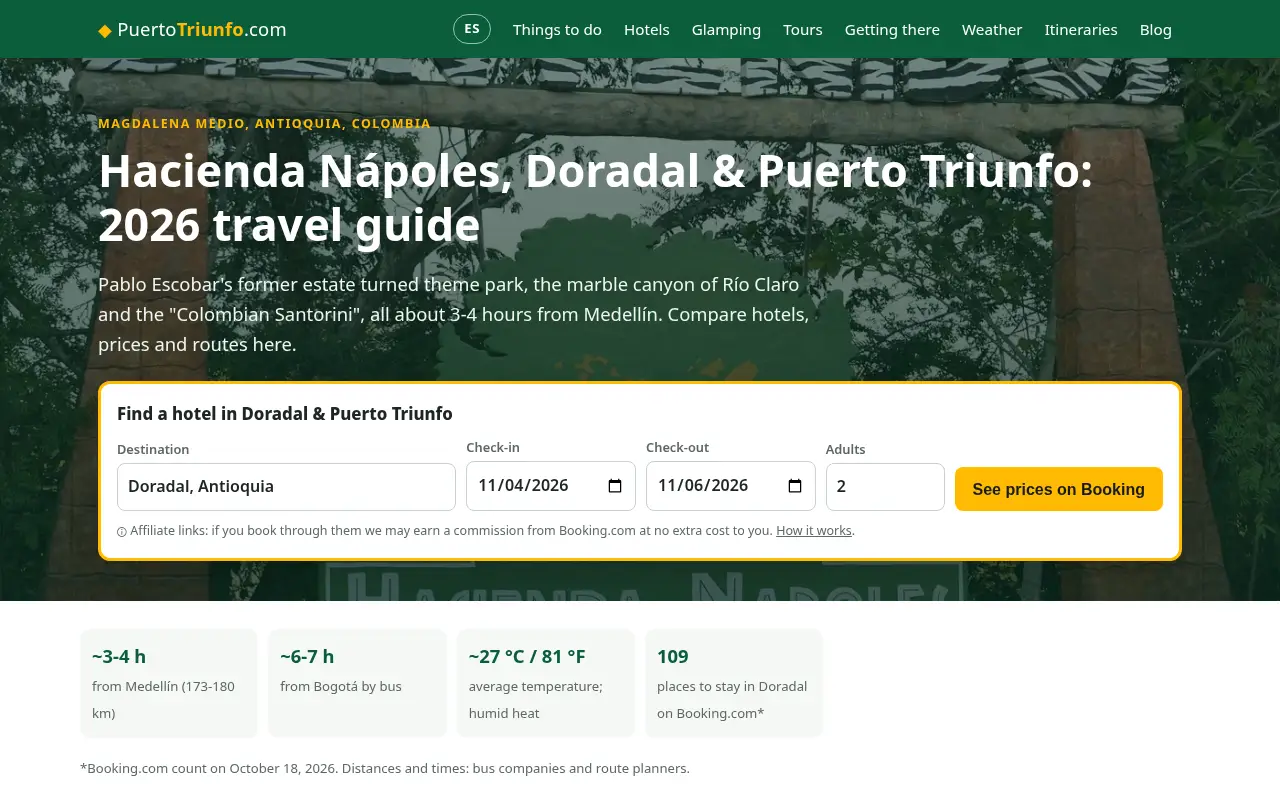
Who visits an engineering firm's website
An engineering website has more than one audience. Developers and architects look for a partner on a specific project. Public agencies check qualifications before shortlisting. Contractors want to know if you can turn drawings around fast. Job seekers check whether you're a good place to work.
They all want the same thing first: proof that you've done this kind of work before.
Searches for "engineering firm" plus a city are modest, a few hundred a month in the biggest cities, per DataForSEO. Most engineering work comes through referrals, bids and relationships. The website's job is to back those up and catch the clients who search by discipline and location.
| What people type into Google | US searches per month |
|---|---|
| engineering website design | 140 |
| engineering website | 480 |
About 480 people a month search for "engineering website", and 140 for "engineering website design", per DataForSEO.
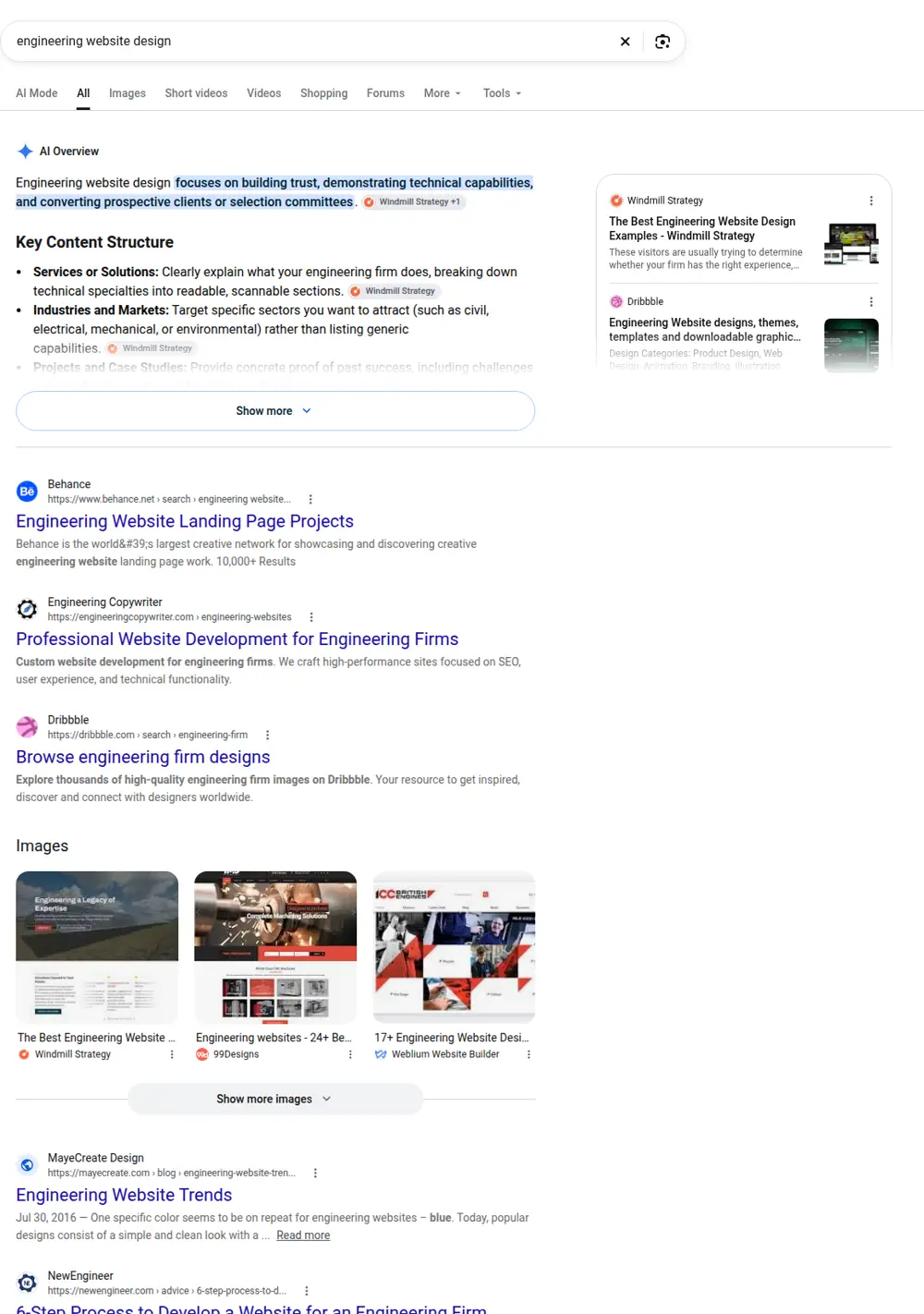
The results are mostly design galleries and agencies. Few show what an engineering firm's site needs to support a bid or a referral.
Pages an engineering firm needs
One page per discipline. Civil site design, structural engineering, MEP, geotechnical, surveying, environmental: whatever you offer, give it its own page with what's included, typical project types and the codes or standards you work to.
Sector pages. Healthcare, education, industrial, municipal, residential development. A school district reading a page about your education work is far more convinced than one skimming a general list.
Project sheets. For each featured project: client type, location, size, your scope, the challenge and the result. Add photos or drawings if the client allows it. These pages double as the project lists you send with proposals.
Credentials page. Professional engineer licenses by state, certifications like DBE or SBE status if you hold them, insurance, safety record and memberships.
Team page. Principals and lead engineers with their licenses and experience. Clients hire the people, not the logo.
Careers. Engineering firms compete for talent. A real careers page with open roles and what it's like to work there helps recruiting.
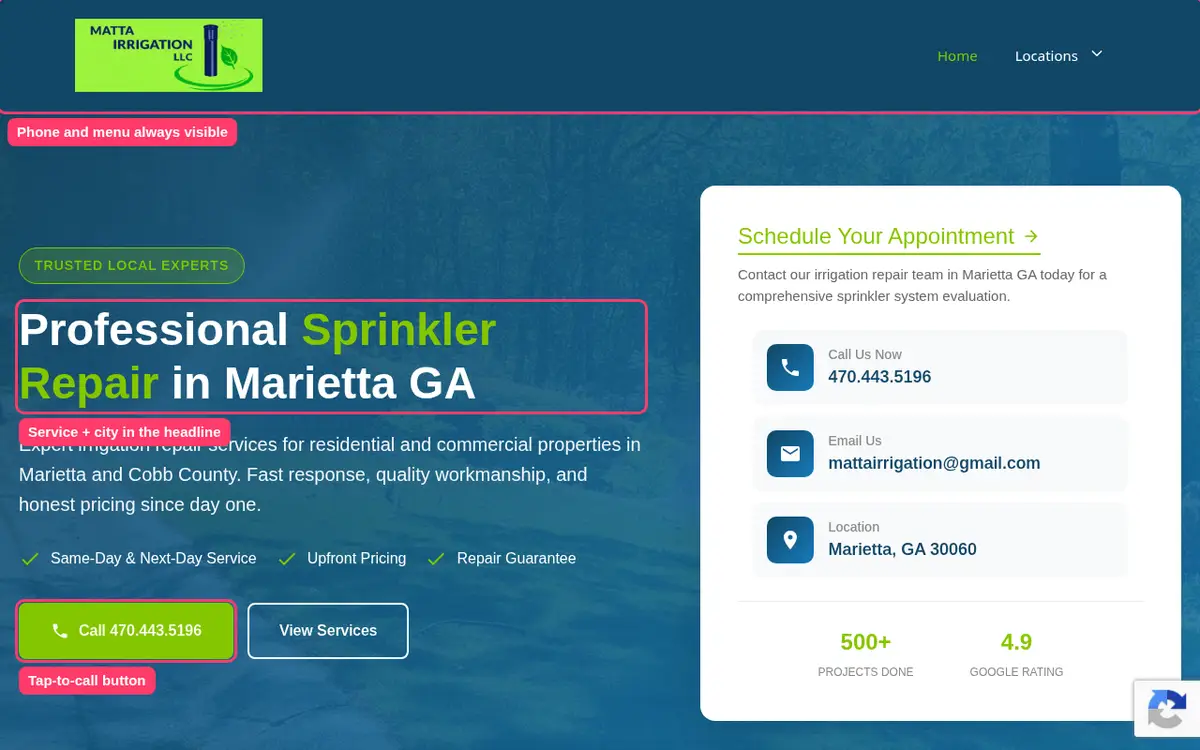
Engineering website design that supports bids
When an agency or developer reviews your proposal, they usually visit your site too. Make that visit count:
- A downloadable statement of qualifications in PDF, kept current.
- Clear contact details for business development, not just a general inbox.
- Project pages that match the projects listed in your proposals.
- Fast pages that work on a phone, since many reviewers check on the go.
Showing licenses and certifications
Clients and agencies often check credentials before they shortlist a firm. List your professional engineer licenses by state, your firm's certificates of authorization where required and any certifications like DBE, MBE, WBE or SBE status. Put them on a dedicated page that a procurement officer can find in one click, and mention them in the footer. If your firm is prequalified with a state department of transportation, say so and name the work categories.
Mistakes we see on engineering websites
- A single "Services" page listing every discipline in bullet points.
- Stock photos of hard hats and blueprints instead of real projects and people.
- No license information, which matters for public work.
- Out-of-date project lists missing the firm's best recent work.
- Heavy PDF brochures instead of readable pages.
Real Search Console data
This chart comes from a service business site we built. Your traffic will differ, but the pattern of steady growth after launch is typical when each service has its own page.
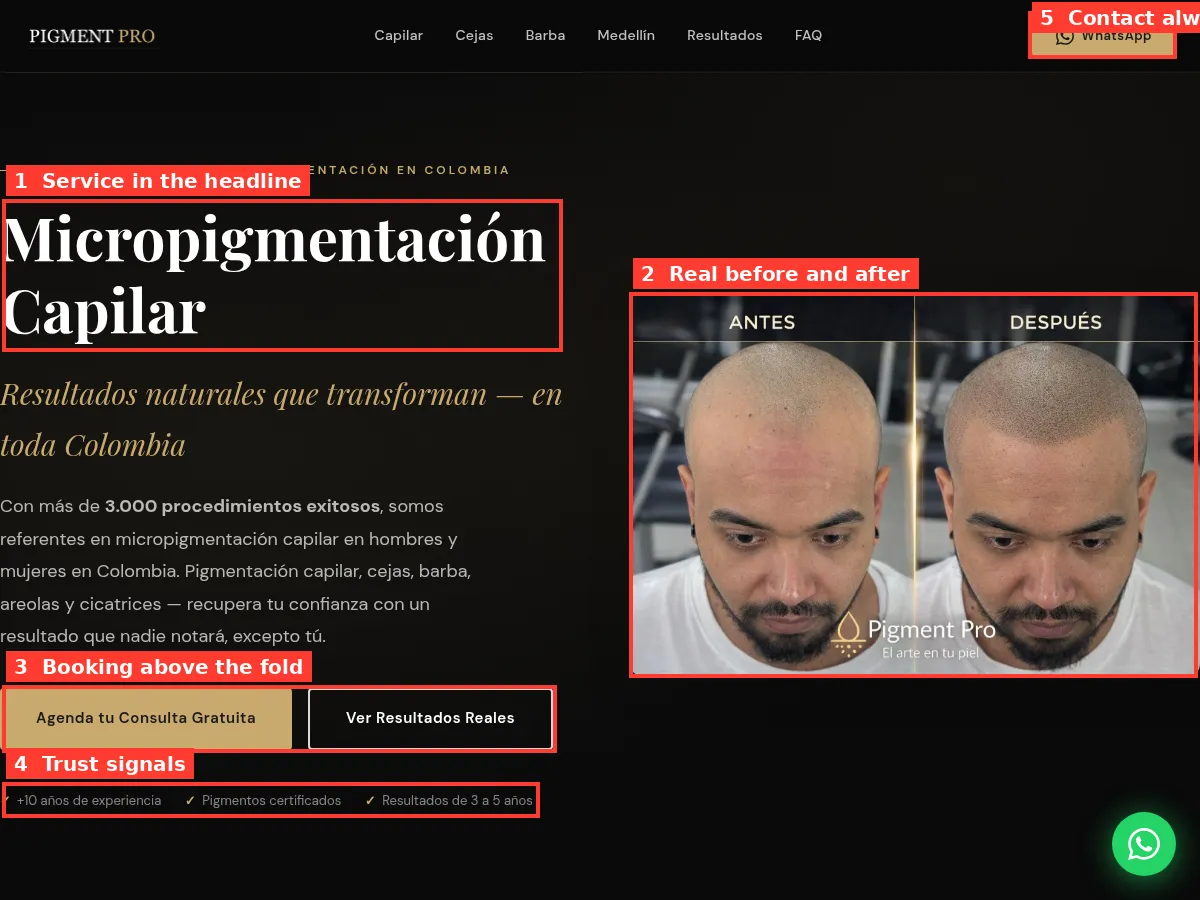
Our process for engineering firms
We start with the calculator, which shows the searches for your disciplines in your area and the pages worth building. One of us reviews the plan against your existing site and the firms you compete with. You send project details and credentials, we write the pages, and you check a draft before launch. We also set up page titles, a sitemap and your Google Business Profile.
Price
$299 covers the home, about and contact pages. Each discipline, sector or project page adds $15, and the total never goes above $630. A firm with five disciplines and six project sheets pays $299 plus 11 x $15, or $464.