How borrowers find a mortgage broker
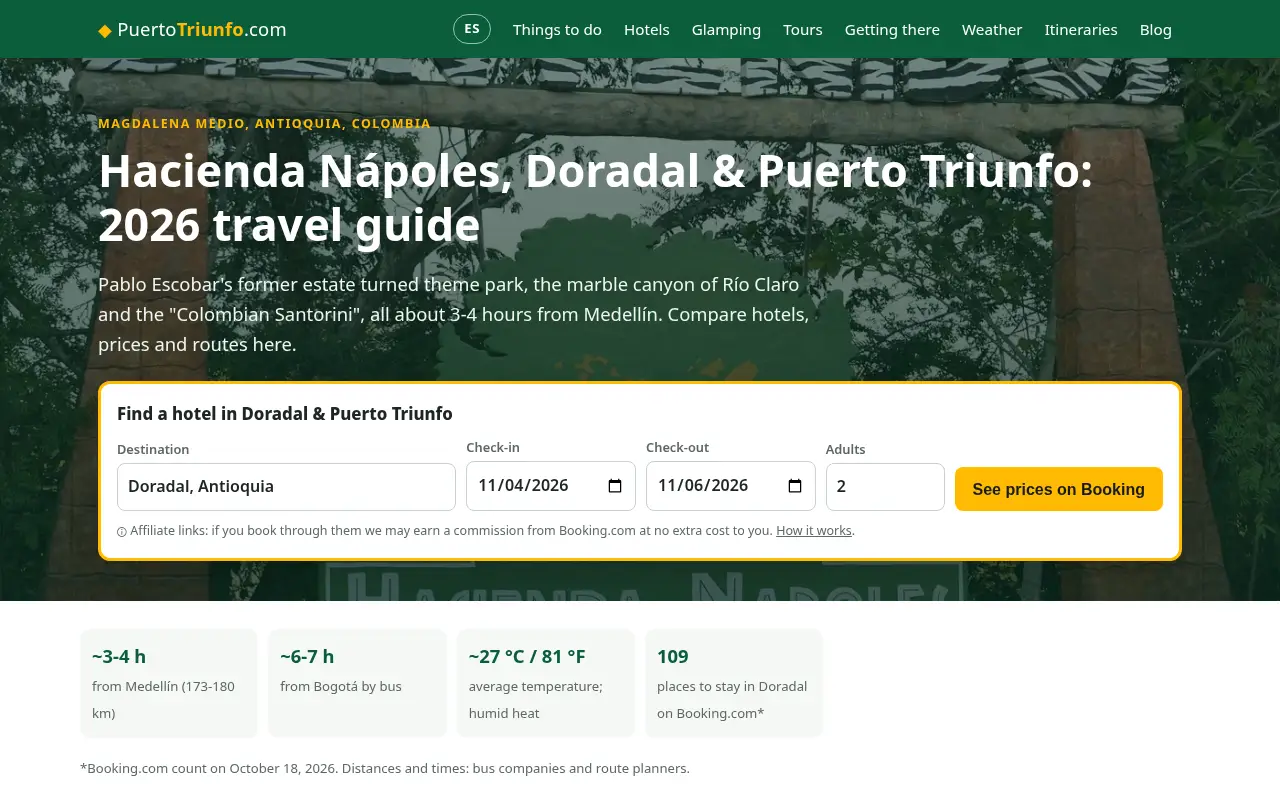
Buying a home is the biggest purchase most people make, and the mortgage is the most confusing part. Borrowers start by reading: how much can I afford, which loan fits me, what rates look like. They often find a broker through a real estate agent or a friend, then check the website before they call.
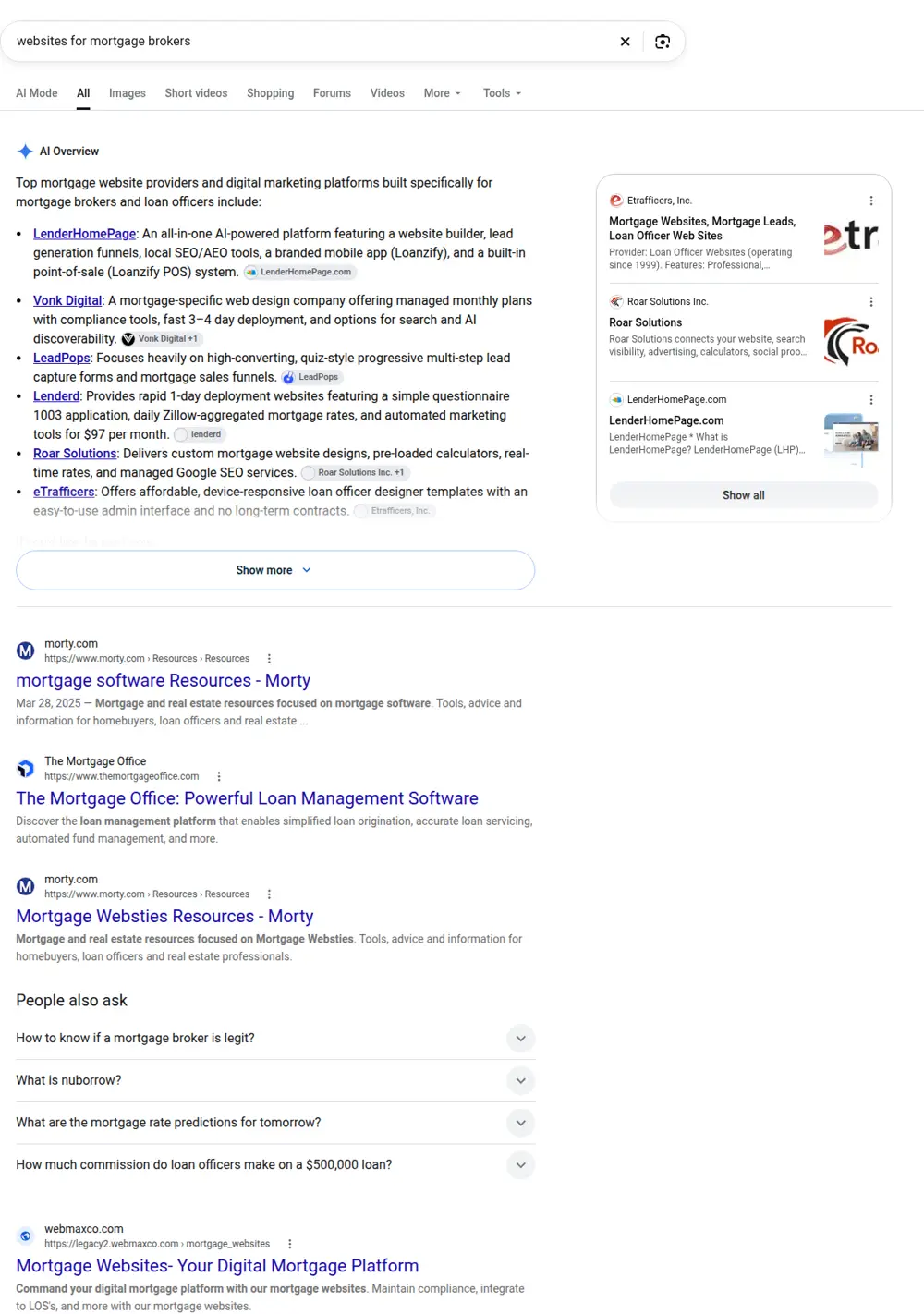
A mortgage broker website has two jobs. It has to explain loans simply enough that people trust you, and it has to make applying easy once they do.
Searches for mortgage brokers plus a city name vary a lot by market. San Diego leads this list with about 1,300 a month, followed by Houston at 590 and New York at 480, per DataForSEO.
| What people type into Google | US searches per month |
|---|---|
| websites for mortgage brokers | 90 |
| mortgage website | 320 |
| mortgage website theme | 110 |
| mortgage web design | 40 |
For the website itself, "mortgage website" gets about 320 searches a month and "websites for mortgage brokers" and "mortgage broker website" about 90 each. Templates get attention too: "mortgage website theme" and "mortgage company website template" get about 110 a month each. Smaller searches like "mortgage lender website design" and "mortgage website design" get about 40, per DataForSEO.
Many of the biggest searches with "mortgage website" in them are people looking for a specific lender's login or for rate comparison sites. Those aren't your audience, so we focus on borrowers in your area and the loans you offer.
Pages a mortgage broker website needs
Loan program pages
Each loan type you offer deserves a page in plain language:
- Conventional loans
- FHA loans
- VA loans
- USDA loans
- Jumbo loans
- Refinance and cash-out refinance
- First-time homebuyer programs
- Self-employed or bank statement loans, if you offer them
Each page should explain who the loan is for, typical down payment and credit requirements in general terms, pros and cons and how to get started. Avoid promising rates or approvals.
Mortgage calculators
Calculators keep people on your site and bring them back. A payment calculator, an affordability calculator and a refinance calculator cover most needs. People often search for a "mortgage calculator for website" because they want one on their own site, and we can build simple ones that load fast instead of heavy third-party widgets.
Application or pre-approval form
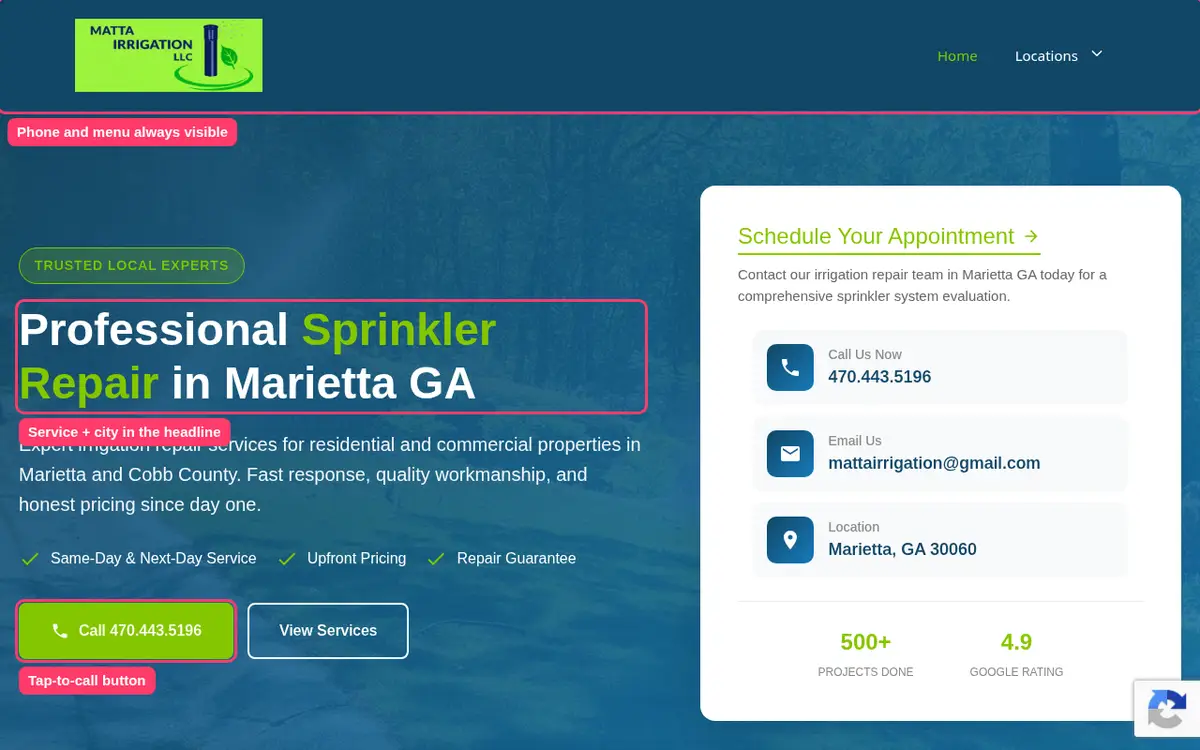
Keep the first step short: name, phone, email, purpose (purchase or refinance), price range and timeline. Then link to your full secure application in your loan origination system. Don't ask for income or Social Security numbers on a public form.
About and team
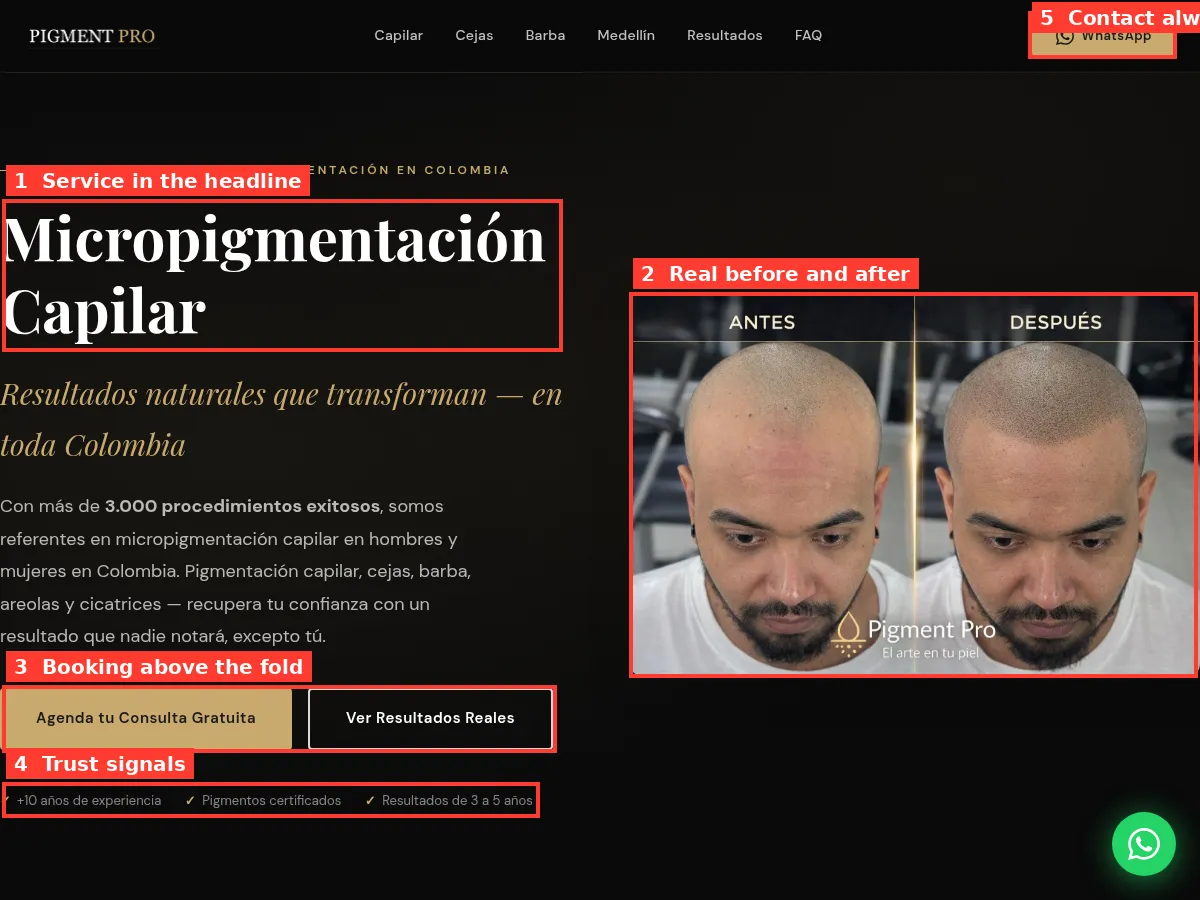
Borrowers want to know who they'll work with. Show each loan officer with a real photo, their NMLS number, languages they speak and a few lines on their experience.
Reviews
Reviews that mention closing on time, communication and first-time buyer help are the most convincing. Link to your Google, Zillow or other review profiles.
Resources for buyers
Short guides on the steps to buying a home, what documents to gather, how pre-approval works and closing costs. These pages attract early-stage buyers and make referrals from agents easier.
Compliance on mortgage websites
Mortgage marketing is heavily regulated. Your website needs your company and individual NMLS numbers, the Equal Housing Opportunity logo or statement, state licensing information and links to NMLS Consumer Access. Rates, if you show them, need the required disclosures. We build the site with these elements in place, and you or your compliance team approve every page before launch.
Mortgage website templates and themes
Mortgage website themes and templates, including those offered by some lenders and CRMs, are quick to set up. Many look identical across hundreds of brokers, though, and the content is often generic. If you use one, add your own loan pages, local content and team details so it doesn't read like everyone else's.
Working with real estate agents
Agents are the biggest referral source for most brokers. A page for agents, explaining how you communicate during a deal, how fast you issue pre-approval letters and how to send you clients, makes referrals easier. Our page on web design for real estate agents covers websites for the agents themselves. Many brokers also refer clients to insurance agents for homeowners coverage, and our page on insurance agency website design covers that side.
First-time homebuyer content
First-time buyers are a large share of most brokers' clients, and they have the most questions. They often don't know how much they need for a down payment, how credit scores affect the rate or what pre-approval actually means. A small set of guides helps:
- How much house can I afford?
- Down payment options, including low down payment and assistance programs in your state
- What credit score do I need?
- The steps from pre-approval to closing
- What closing costs include
Write these in plain language, link each one to the matching loan program page and end with a short form to talk to a loan officer. Buyers who learn from your site tend to come back to you when they're ready.
Refinance pages
When rates fall, refinance searches jump quickly. A refinance page that explains rate-and-term refinancing, cash-out refinancing and when refinancing makes sense is ready when the market moves. Add a refinance calculator so homeowners can see whether a lower rate saves them money after closing costs.
Common mistakes on mortgage broker websites
- Missing NMLS numbers or equal housing statements.
- Rates that haven't been updated in months.
- Pages full of jargon like LTV and DTI without explanation.
- Long application forms on the first contact.
- Calculators that break on mobile.
Real Search Console data
This is from a service business site we built. Traffic grows as each service page starts to rank, the same way loan program and city pages build traffic for brokers.
Getting your mortgage site live
First you price the site with our calculator. We agree on the loan programs, calculators and local pages. You send your NMLS details, team bios and any disclosures your compliance team requires, and we write plain-language pages around them. Once you approve the draft, we launch and connect Search Console.
Price
$299 covers the base site. Every extra page is $15, and the total stops at $630. Eight loan program pages, two calculators and a guide for first-time buyers add 11 pages: $299 + $165 = $464.